
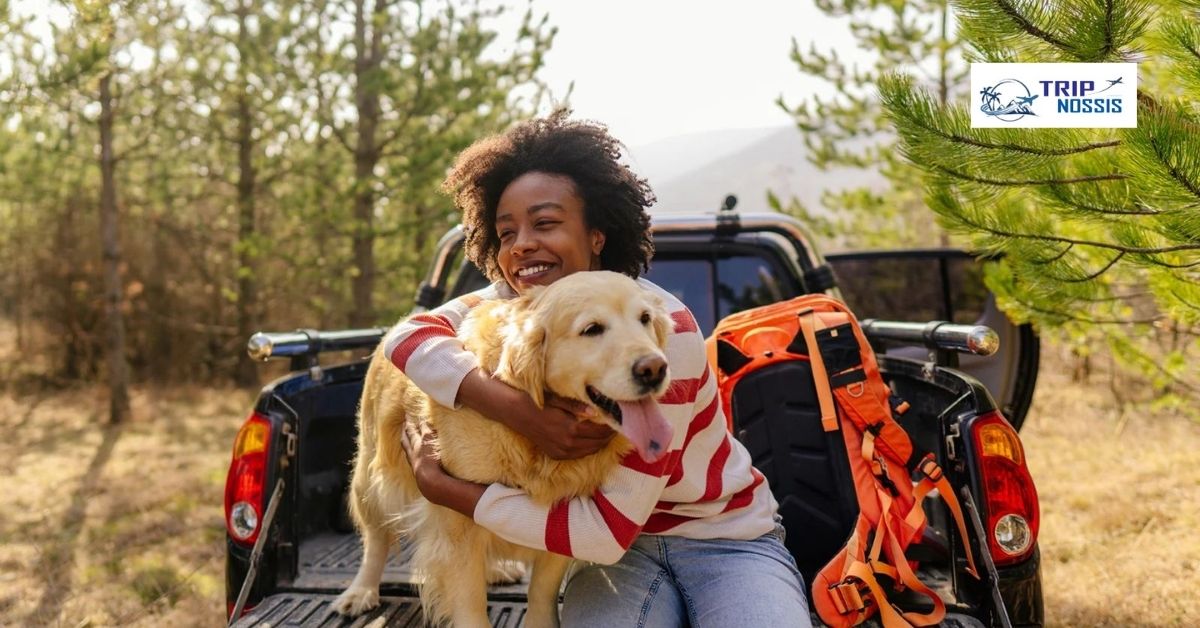
A road trip is usually the easiest way to travel with a dog. You control the temperature, the stops, the pace, and the amount of time your dog spends confined. That’s a real advantage over flying, where your dog either rides in the cabin under strict size limits or in cargo. But easier doesn’t mean effortless. Most of the stress that happens on the road, whether it’s a carsick puppy or a frantic search for a pet friendly place to stop for the night, traces back to something that wasn’t planned for in advance.
This guide walks through what actually matters when you’re getting ready for road trips with dogs: how to prepare your dog beforehand, what to pack, what’s safe to give a nervous or carsick dog, and how to handle the parts of the trip that catch first timers off guard.
Is Your Dog Ready for a Road Trip?
Most healthy dogs can handle a road trip once they’re comfortable riding in a car and secured properly for the drive. The dogs who struggle are usually the ones with untreated motion sickness, severe anxiety, or a medical condition that hasn’t been checked recently. A short test drive of 30 to 45 minutes will usually tell you what you’re working with before you commit to a longer route.
If your dog drools heavily, vomits, paces, or shakes during short car rides now, address that before a multi day trip rather than hoping it improves on the road.
How to Prepare Your Dog for a Road Trip
Start with shorter drives first
If your dog isn’t used to long car rides, build up gradually. A few 20 to 30 minute trips to somewhere pleasant, like a park, help your dog associate the car with something other than the vet’s office.
Visit the vet before you go
Book a checkup a couple of weeks before departure, especially for older dogs or dogs with existing health conditions. This is also the time to ask about anxiety or motion sickness options if your dog has struggled with car rides before, and to confirm vaccinations are current.
Update microchip and ID tag information
Dogs are more likely to slip a leash or bolt from an unfamiliar rest stop than from their own backyard. Before you leave, confirm your phone number and address are current in your microchip registry, and make sure the tag on the collar matches.
Get your dog comfortable with its crate or harness
If your dog will travel in a crate or a crash tested harness, don’t introduce it for the first time on travel day. A few practice sessions at home, with treats and short trial rides, make a real difference in how calm your dog is once you’re actually on the highway.
Pack a copy of vaccination and health records
Keep a paper or digital copy of your dog’s rabies certificate and general vaccination history. Many states have requirements around proof of rabies vaccination, particularly if you’re stopped for any reason or need emergency veterinary care away from home, and some campgrounds or boarding facilities ask to see it. Requirements can vary by state, so it’s worth checking your departure and destination states’ official pages if you’re unsure, or asking your vet’s office directly.
Must Haves for a Road Trip With a Dog
These are the categories that matter most. Not every item applies to every dog, but this covers what to pack for a road trip with a dog in a way that holds up whether you’re driving four hours or four days.
| Category | What to bring | Why it matters |
|---|---|---|
| Restraint and safety | Crash tested harness or secured crate, seatbelt attachment | Reduces injury risk in a sudden stop or accident and keeps your dog from becoming a distraction |
| Food and water | Regular food, collapsible bowls, a jug of home water | Sudden food changes can cause stomach upset; unfamiliar tap water sometimes does too |
| Health and identification | Vaccination records, medications, first aid basics, ID tag and microchip info | Covers emergencies and any checkin requirements at hotels or campgrounds |
| Comfort | A familiar blanket or bed, a favorite toy | Familiar scents help reduce anxiety in new environments |
| Cleanup | Waste bags, a small trash bag, enzyme cleaner, towels | Rest stops and hotel rooms both benefit from being ready for accidents or mud |
| Weather gear | Cooling mat or coat depending on season, a portable water bowl | Keeps your dog comfortable through temperature swings between stops |
| Containment | A leash you trust, a long line for rest stops, possibly a portable exercise pen | Prevents your dog from bolting in unfamiliar, often unfenced areas |
A few things worth calling out specifically:
- Bring more food than you think you’ll need, and don’t switch brands midtrip. Digestive upset is one of the most common and most avoidable road trip problems.
- A recent photo of your dog on your phone is a small thing that matters a lot if your dog ever goes missing at a rest stop.
- Pack a basic pet first aid kit: gauze, adhesive tape, tweezers for ticks or splinters, saline solution, and your vet’s phone number along with the nearest emergency animal hospital along your route.
What Can You Give Your Dog for a Long Road Trip?
This depends on whether your dog is dealing with anxiety, motion sickness, or both, and they’re not the same problem.
For mild anxiety, many pet owners try calming chews with ingredients like L theanine or melatonin, or a pheromone spray or collar applied before the trip. These are widely available and generally considered low risk, but talk to your vet first if your dog is on other medications or has a health condition.
For dogs with more significant anxiety, some veterinarians prescribe medication such as trazodone or gabapentin for travel days. These require an actual prescription and a conversation with your vet about dosing for your dog’s size and health history. Never give your dog medication from your own medicine cabinet, and never use a leftover prescription written for a different dog.
For motion sickness specifically, feeding a light meal a few hours before departure rather than right before, keeping the car cool, and taking frequent breaks all help. Some vets do prescribe anti nausea medication such as maropitant for dogs with a known history of car sickness. Again, this is a conversation to have with your vet ahead of time, not something to decide on the morning you leave.
A quick note on over the counter options like diphenhydramine (Benadryl): some vets do approve it for mild motion sickness or minor allergic reactions, but appropriate use and dosing depends on your dog’s weight, age, and health. Confirm with your veterinarian before giving your dog anything, including products marketed as pet safe.
Planning Your Route and Stops
Plan for a break roughly every two to three hours, longer than you might normally take on a solo drive. Dogs need the chance to relieve themselves, drink water, and stretch, and a rushed five minute stop at a gas pump usually isn’t enough.
Look for rest areas, dog parks, or trailheads along your route rather than defaulting to whatever exit you happen to hit. Several free apps and mapping tools let you filter for pet friendly rest stops and parks, which saves you from guessing.
Never leave your dog alone in a parked car, even briefly and even with the windows cracked. Car interiors heat up fast in warm weather, often within minutes, and cold weather carries its own risks. If you need to go inside somewhere your dog can’t come, plan your stops around places that allow pets, or bring a second person who can stay with the dog.
Where to Stay: Pet Friendly Accommodation on the Road
Several major hotel chains, including some budget and midrange brands, generally allow dogs, though policies on fees, weight limits, breed restrictions, and the number of pets per room vary by individual property, not just by brand. Before booking, call the specific hotel and ask directly about:
- Any pet fee or deposit, and whether it’s refundable
- Weight or breed restrictions
- Whether dogs can be left alone in the room, and for how long
- Nearby areas for walks or relief breaks
- Any floor or room type restrictions for pet guests
Campgrounds and RV parks tend to be more consistently pet friendly than hotels, but many still require dogs to be leashed at all times and prohibit leaving them tied up outside unattended.
Dealing With Summer Heat and Winter Weather
Heat is the bigger risk for most road trippers. Pavement and parked cars heat up faster than the surrounding air, so a rest stop that feels fine to you might already be too hot for your dog’s paws or too hot to leave them in the car for even a moment. Watch for heavy panting, drooling, weakness, or disorientation, all signs of overheating that need immediate attention and shade or water, with a vet call if symptoms don’t improve quickly.
Cold weather trips bring different concerns. Short haired or small dogs may need a coat during outdoor breaks, and road salt used on winter highways can irritate paw pads, so rinsing paws after a stop is worth doing if your dog has walked through treated roads or parking lots.
Wildlife, Ticks, and Other Onroad Risks
Rest stops, trailheads, and campgrounds often mean more exposure to ticks than your dog gets at home, particularly in wooded or grassy areas during warmer months. A tick preventive recommended by your vet, along with a quick check after every outdoor stop, catches most problems early.
If your route passes through national parks or wilderness areas, check the specific park’s pet policy before you go. Many national parks limit dogs to roads, parking areas, and campgrounds, and restrict them from most trails and all backcountry areas, partly to protect wildlife and partly because of the risk wildlife poses to dogs. The National Park Service publishes a pet policy page for each individual park, and policies genuinely differ from park to park, so check the official page for wherever you’re headed rather than assuming.
Common Mistakes Pet Owners Make on Road Trips

- Letting a dog ride loose in the car, which is both a safety risk and a legal issue in a few states with pet restraint laws
- Assuming every hotel that shows up in a general search actually allows pets without calling to confirm
- Skipping the vet visit because the dog “seems fine”
- Not testing food, crate, or harness changes before the trip actually starts
- Underestimating how much longer the drive takes once you factor in real bathroom and stretch breaks for the dog
What a Realistic Road Trip Day Looks Like
For a dog new to long drives, a workable rhythm looks something like this: two to three hours of driving, a 15 to 20 minute break for water and a bathroom stop, then repeat. Plan a longer midday break of 30 to 45 minutes if the trip runs a full day, ideally somewhere with shade and space to walk. Building in this rhythm from the start tends to produce a calmer dog than trying to push through long stretches and catching up on breaks later.
Frequently Asked Questions
What is the best way to prepare a dog for its first road trip? Start with short practice drives, get your dog comfortable in its crate or harness ahead of time, and schedule a vet checkup before you leave to confirm your dog is healthy enough for the trip.
What can I give my dog for anxiety on a long road trip? Calming chews or pheromone products work for mild anxiety in many dogs. For more significant anxiety, ask your vet about prescription options, since these need to be matched to your dog’s size and health.
What should I pack for my dog on a road trip? At minimum: food, water, bowls, a leash, waste bags, vaccination records, any medications, a comfort item like a bed or toy, and a basic pet first aid kit.
Can I leave my dog in the car while I run into a rest stop? No. Car temperatures change quickly in both hot and cold weather, and even a short window can become dangerous. Plan stops around places your dog can come with you, or bring someone who can stay with them.
Are dogs allowed on national park trails? It depends on the park. Many national parks restrict dogs to roads, parking lots, and campgrounds, with limited or no access to trails. Check the specific park’s official pet policy page before your trip.
How often should I stop for my dog on a long drive? Roughly every two to three hours for a bathroom and water break, with a longer stop around the midpoint of a full day of driving.
Do I need proof of vaccination to travel across state lines with my dog? Many states expect proof of current rabies vaccination, and it’s a good habit regardless of specific state rules. Requirements can vary, so check with your vet or your destination state’s official site if you’re unsure.
Before You Hit the Road
The dogs who handle road trips best are usually the ones who had a few short practice runs, a recent vet check, and owners who packed for the actual trip rather than assuming things would work out. None of this requires much extra time, just a bit of planning in the week or two before departure.
If you’re mapping out where to stay or what to do once you arrive, it’s worth researching your specific destination’s pet policies, from park rules to hotel pet fees, before you leave rather than after you’ve already checked in.
If you have a pet, you can use our Pet Friendly Road Trip Planner to plan your trip