
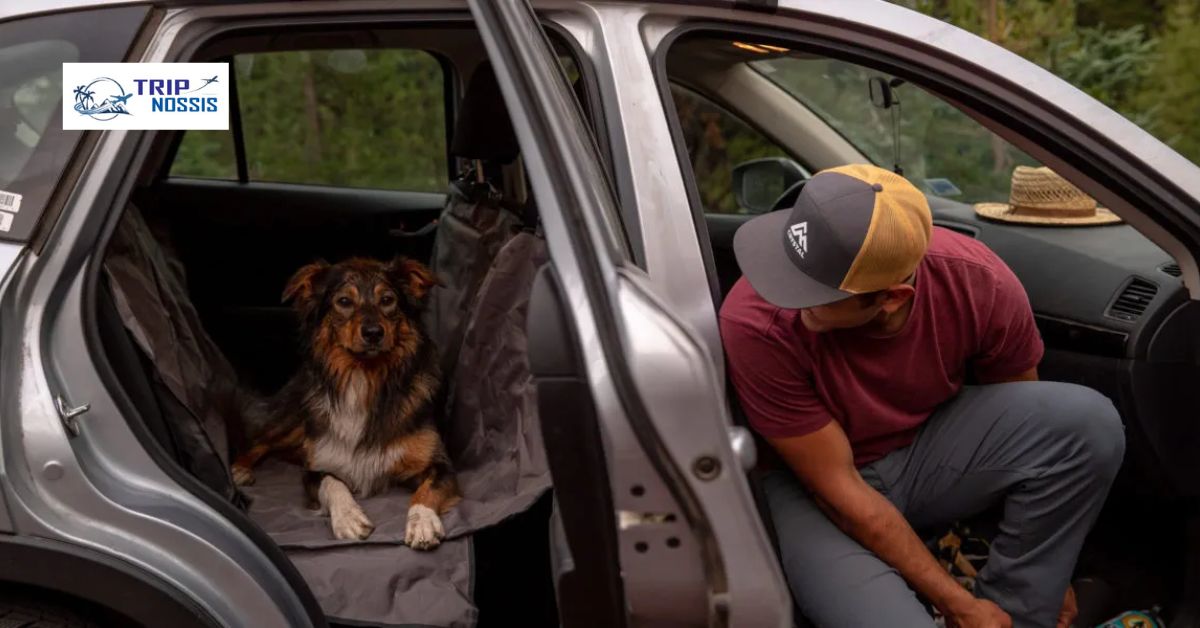
Are Car Rides Good For Dogs? My dog Max used to lose his mind the second he heard my keys jingle. Not in a bad way. He’d spin in circles, bang his tail against the coffee table, and practically drag me to the garage door. That reaction alone told me something. But it also made me curious. Was he actually enjoying these rides, or was he just excited about the idea of going somewhere without really understanding what a car ride does to his body and brain?
I’ve had Max for almost six years now, and between weekend trips to the lake, vet visits, and one memorable twelve hour drive from Ohio to Florida, I’ve had a lot of time to actually watch how he responds to being in a moving vehicle. So I want to share what I’ve noticed, what worked, what didn’t, and what I wish someone had told me before that first long drive.
So Are Car Rides Actually Good For Dogs?
Short answer, yes, in most cases car rides are good for dogs. They’re not just a way to get from point A to point B. For a lot of dogs, a car ride is genuine mental stimulation. New smells drifting through a cracked window, different scenery passing by, the sound of the world outside, all of that gives their brain something to chew on that they don’t get lying around the living room all day.
I noticed this firsthand with Max. On days when we didn’t have time for a long walk but I had to run errands, I’d just bring him along in the car. He’d come home from a fifteen minute drive to the pharmacy looking more relaxed than after some short walks around the block. That surprised me at first, but it makes sense once you think about it. His nose was working overtime the whole ride, and that kind of sensory input is tiring in a good way, similar to how a puzzle toy tires out their brain instead of their legs.
That said, “good” doesn’t mean every dog experiences it the same way, and it doesn’t mean every ride is automatically beneficial. There’s nuance here that a lot of articles skip over.
Car Rides As Mental Stimulation, Not Just Transportation
This is something I wish I understood earlier. I used to think mental stimulation for dogs only meant training sessions, food puzzles, or games like hide and seek with treats. Turns out a car ride checks a lot of those same boxes without you having to do anything special.
Think about what’s happening from the dog’s perspective. They’re sitting there processing constantly changing smells, watching cars and people go by, feeling the vibration of the road, hearing new sounds. That’s a lot of information for a brain to work through. For breeds that are naturally curious or scent driven, like beagles, labs, or hounds, a car ride can genuinely tire them out mentally even if their body barely moved.
I tested this a bit with Max during a stretch when he was recovering from a minor leg injury and couldn’t go on long walks. His vet actually suggested short car rides as a way to keep his mind occupied without stressing his leg. It worked better than I expected. He wasn’t bouncing off the walls from boredom the way he usually got after a couple of days of limited activity.
So if your dog is dealing with an injury, bad weather is keeping you inside, or you just don’t have time for a full walk, a car ride can genuinely help fill that stimulation gap. It’s not a replacement for exercise, but it’s a legitimate tool.
What About Long Car Rides? Are Those Still Good?
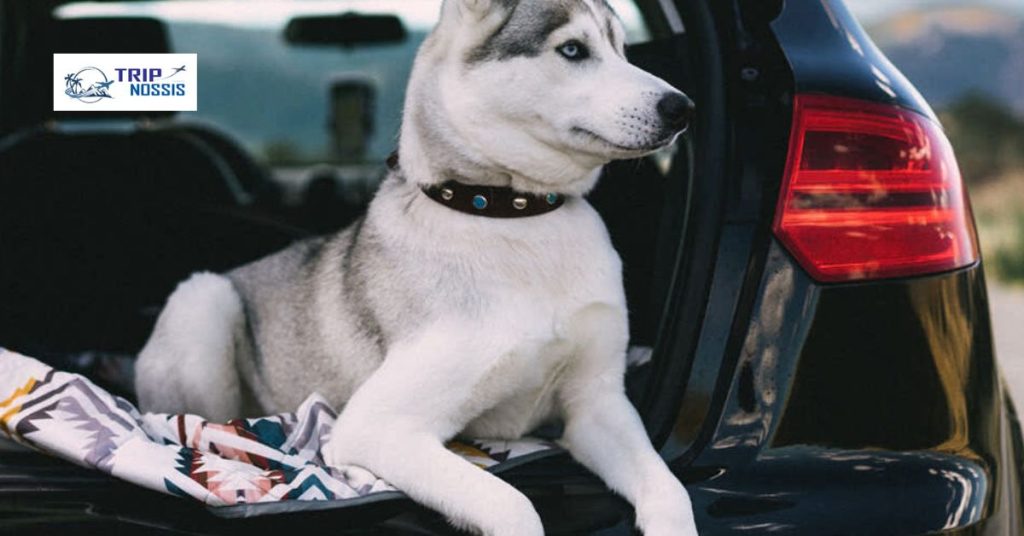
This is where things get more complicated, and honestly where I made my biggest mistake.
That twelve hour drive to Florida I mentioned earlier, I did not plan it well. I assumed Max would just sleep the whole way like he usually did on shorter trips. He did not. Around hour four he started panting heavily, pacing as much as the back seat would allow, and whining every time we hit traffic. I hadn’t packed enough water, I hadn’t planned for bathroom breaks often enough, and I definitely underestimated how much a long stretch in a car can wear on a dog physically and emotionally.
Long car rides can absolutely be good for dogs, but only if you handle them the right way. Here’s what I do differently now after learning the hard way.
First, I stop every two to three hours no matter what, even if Max seems fine. Dogs need to stretch, sniff around, and relieve themselves regularly, just like people do on long drives, except they can’t tell you when they’re getting close to uncomfortable.
Second, I bring a collapsible water bowl and offer water at every stop, not just when he looks thirsty. Dogs can get dehydrated in a warm car faster than you’d think, especially with the sun coming through the windows.
Third, I never let him eat a full meal right before a long drive. I learned that one after a rest stop incident in Georgia that I’d rather not describe in detail. Now I feed him a small portion a few hours before we leave and save the fuller meal for after we arrive or during a longer stop.
Fourth, I keep the car cool. Even with air conditioning running, dogs in the back seat don’t always get the same airflow, so I point a vent toward Max’s area or crack a back window slightly.
Fifth, and this one matters more than people realize, I keep the ride time reasonable for his age and breed. Max is a big, energetic dog in his prime, but an older dog or a small breed with joint issues might need more frequent stops and shorter total travel time.
The Harness Question People Keep Asking
I get asked a lot whether those tactical dog harnesses you see online are actually good for car rides, or if they’re just a trend that looks tough on Instagram.
Honestly, I was skeptical at first too. I bought one mainly because it looked sturdy and I wanted something better than the flimsy harness Max came with from the shelter. After using it for road trips over the past two years, I actually think they’re a solid choice for car safety, not just show.
The ones with a proper handle on the back make it so much easier to help your dog in and out of the car, especially if you drive an SUV or truck with a higher back seat. The wider chest straps also distribute pressure better if you have to brake suddenly, which matters a lot more than people think until it actually happens. I had a close call once where a car cut me off, and I braked hard enough that Max slid forward in the back seat. The tactical harness with a seatbelt attachment kept him from hitting the back of my seat.
If you’re considering one, look for a harness with a metal buckle instead of just plastic clips, a strap loop specifically designed to connect to a seatbelt, and adjustable straps that actually fit snug without choking your dog. Skip the cheap ones that only have decorative MOLLE webbing and no real seatbelt attachment point, because that defeats the whole purpose.
Common Mistakes I See (And Made Myself)
A lot of dog owners assume any car ride is automatically fun and stress free for their dog. That’s not always true. Some dogs get carsick, especially puppies whose inner ear balance is still developing. If your dog is drooling excessively, yawning a lot, or seems restless within the first ten minutes, that’s more likely motion sickness than excitement.
Another mistake is leaving a dog loose in the car without any restraint. I did this for the first year I had Max because he seemed calm enough. Then one day a squirrel ran across the road, I braked, and he went flying into the front seat. Nobody got hurt, but it scared both of us enough that I bought a proper harness setup the next day.
People also tend to skip water breaks on shorter trips because they figure the dog will be fine for an hour. Usually true, but not always, especially in summer heat.
Final Thoughts From Someone Who’s Actually Done This
After years of car rides with Max, short errands, long road trips, everything in between, my honest take is that car rides are genuinely good for most dogs, both physically and mentally, as long as you pay attention to the details. Short rides can be a great form of mental stimulation on days when a full walk isn’t possible. Long rides can absolutely work too, but they require planning, regular stops, water, and a bit of common sense about your specific dog’s needs.
If you’re heading out on your first long trip with your dog, don’t assume it’ll go the way it does in movies with a happy dog sticking his head out the window the whole time. Plan your stops, bring water, get a decent harness, and pay attention to how your dog is actually behaving instead of how you expect them to behave. That’s really the biggest lesson six years of road trips with Max taught me. Are car rides good for dogs.
If you have a pet, you can use our Pet Friendly Road Trip Planner to plan your trip