

Lisbon stands as Portugal’s vibrant capital and the perfect launching point for discovering the country’s most captivating destinations. From fairytale palaces nestled in misty mountains to dramatic Atlantic coastlines and medieval walled towns, day trips from Lisbon, Portugal, reveal the incredible diversity packed into this western European gem. The city’s strategic coastal position and excellent transportation infrastructure make it remarkably easy to explore UNESCO World Heritage sites, pristine beaches, religious sanctuaries, and wine regions all within comfortable travel distances.
Whether you’re drawn to the romantic spires of Sintra’s colorful palaces, the spiritual significance of Fatima, the golden beaches of Cascais, or the medieval charm of Óbidos, these carefully selected destinations showcase the very best of Portuguese culture, history, and natural beauty. Each excursion offers unique experiences that complement Lisbon’s urban energy while providing deeper insights into Portugal’s rich heritage and stunning landscapes.
Why Lisbon is Portugal’s Ultimate Day Trip Base
Lisbon’s geographic positioning along Portugal’s Atlantic coast creates exceptional access to the country’s most celebrated attractions. The capital sits at the meeting point of the Tagus River and the Atlantic Ocean, with mountains to the north, beaches stretching in both directions, and the vast Alentejo plains extending inland to the east. This central location means travelers can experience dramatically different landscapes and cultural regions within the same day, returning to comfortable Lisbon accommodations each evening.
Portugal’s compact size works beautifully in favor of day trippers, with most premier destinations sitting within one to two hours of the capital. The country’s efficient public transportation system, well maintained highways, and numerous organized tour operators transform these geographic advantages into practical realities. Unlike larger European countries where similar destination diversity requires overnight stays or extensive travel time, Portugal delivers remarkable variety within comfortable day trip parameters.
The Mediterranean climate blessing Lisbon and surrounding regions creates year round travel opportunities rarely matched in other European destinations. Mild winters with temperatures typically ranging from 10 to 15 degrees Celsius allow comfortable sightseeing even during traditionally off season months, while summer’s warmth makes coastal destinations particularly appealing. This climatic advantage means visitors can plan day trips throughout the year without the seasonal limitations affecting northern European travel.
Fairytale Palaces and Mountain Towns
The Sintra mountain range rising just northwest of Lisbon contains some of Portugal’s most extraordinary architectural treasures, where romantic palaces, mysterious gardens, and ancient castles emerge from lush forests like scenes from fantasy novels. This UNESCO World Heritage Cultural Landscape represents one of Europe’s finest examples of 19th century Romantic architecture set within stunning natural surroundings.
Day Trip from Lisbon to Sintra Portugal
A day trip from Lisbon to Sintra Portugal consistently ranks as the most popular excursion from the capital, combining convenient proximity with spectacular attractions that capture imaginations and create lasting memories. The journey requires just 40 minutes by train from Lisbon’s Rossio station, making early morning departures comfortable and practical for maximizing exploration time in this magical mountain town.
Pena Palace dominates Sintra’s skyline with its vibrant yellow and red facades, representing the pinnacle of Portuguese Romantic architecture. Built atop one of Sintra’s highest peaks, this former royal summer residence combines Gothic, Moorish, Renaissance, and Manueline architectural elements in a fantastical composition that photographs beautifully from every angle. The palace’s interior rooms maintain original 19th century furnishings and decorations, providing insights into Portuguese royal life during the monarchy’s final decades.
The surrounding Pena Park extends across 200 hectares of forested hillside, featuring winding paths, hidden lakes, exotic plant species from former Portuguese colonies, and numerous viewpoints offering panoramic vistas across the Sintra mountains to the Atlantic Ocean beyond. Many visitors focus exclusively on the palace while overlooking the park’s considerable charms, missing opportunities for peaceful nature walks away from the crowds concentrated at the main building.
The Moorish Castle ruins occupy a neighboring peak, with ancient stone walls following the mountain’s natural contours across rocky outcrops and through dense forest. These fortifications date to the 8th and 9th centuries when Moorish forces controlled much of Iberia, offering both historical significance and spectacular views that rival or surpass those from Pena Palace. The walk along the castle walls provides excellent exercise and photography opportunities while revealing different perspectives on Sintra’s landscape.
Sintra Portugal Day Trip from Lisbon: Complete Planning Guide
Successfully navigating a Sintra Portugal day trip from Lisbon requires strategic planning given the area’s considerable attractions and inevitable crowds, particularly during summer months when visitor numbers swell dramatically. Early morning train departures around 8:00 AM position arrivals in Sintra before tour buses and later travelers, providing relatively quieter experiences at major palaces and reducing wait times for entrance and ticket purchases.
Quinta da Regaleira ranks among Sintra’s most mysterious and Instagram worthy attractions, featuring elaborate gardens filled with symbolic architecture, underground tunnels, and the famous Initiation Well spiraling 27 meters underground. This early 20th century estate reflects its owner’s fascination with secret societies, alchemy, and esoteric philosophy, creating an atmosphere quite different from the royal elegance of Pena Palace. The gardens reward thorough exploration, with hidden grottoes, enigmatic sculptures, and architectural surprises around every corner.
Transportation within Sintra deserves careful consideration since major attractions spread across several kilometers of mountainous terrain unsuitable for casual walking between sites. The local bus 434 creates a circuit connecting the train station, historic center, Moorish Castle, and Pena Palace, operating frequently throughout the day. However, these buses often reach capacity during peak periods, requiring waits for subsequent departures. Alternative options include taxis, tuk tuks offering guided tours, or rental cars for maximum flexibility, though parking at popular sites can prove challenging during busy periods.
Palace prioritization becomes essential given time constraints inherent in day trips. Most visitors find that thoroughly exploring two major sites plus the historic village center creates satisfying experiences without feeling rushed. The combination of Pena Palace and Quinta da Regaleira represents the most popular pairing, showcasing both royal grandeur and mysterious symbolism. Alternatively, focusing on Pena Palace and the Moorish Castle provides excellent mountain views and outdoor activity while requiring less time than Quinta da Regaleira’s extensive gardens.
Coastal Paradise Destinations
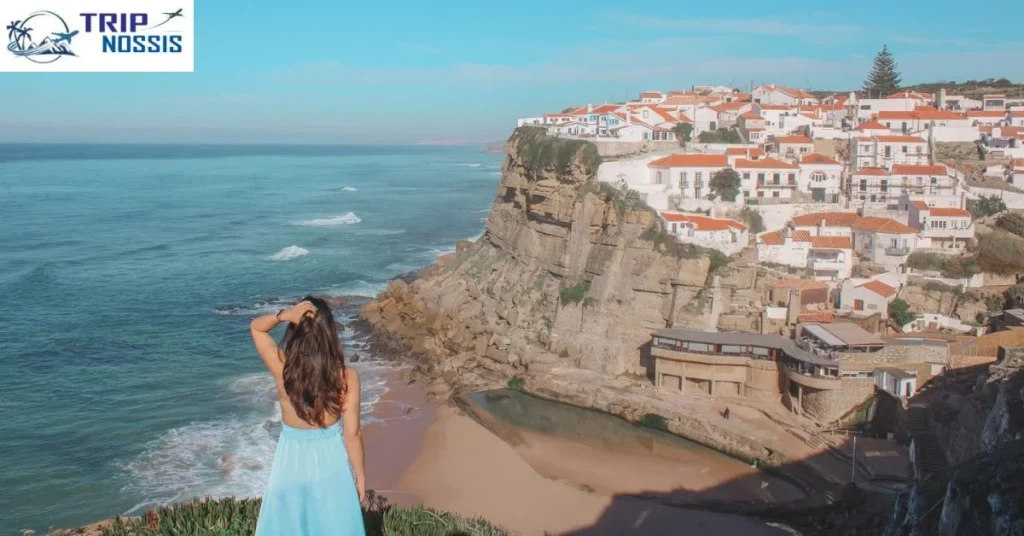
Portugal’s Atlantic coastline stretches in both directions from Lisbon, offering diverse coastal experiences from elegant resort towns to dramatic cliff formations and traditional fishing villages. These seaside destinations provide perfect counterpoints to inland cultural attractions, with fresh seafood, beach activities, and ocean vistas creating relaxed atmospheres ideal for unwinding after busier sightseeing days.
Cascais and Estoril Riviera Experience
Cascais evolved from a simple fishing village to Portugal’s premier coastal resort during the late 19th century when the Portuguese royal family established summer residences along this stretch of coast. Today, the town maintains its elegant character while offering beautiful beaches, a charming historic center, excellent restaurants, and a relaxed sophistication that attracts both Portuguese families and international visitors.
The journey from Lisbon to Cascais follows one of Europe’s most scenic coastal train routes, hugging the Tagus River estuary before emerging along the Atlantic coast. This 40 minute ride costs just a few euros and provides constantly changing water views, making the journey itself a pleasant experience rather than merely necessary transportation. Trains depart frequently from Lisbon’s Cais do Sodré station throughout the day, offering flexibility for spontaneous trips or adjusted schedules.
Cascais historic center features pedestrian streets lined with cafes, boutiques, and restaurants surrounding the main square and small fishing harbor where colorful boats still dock with daily catches. The atmosphere balances tourist appeal with authentic local life, particularly in neighborhoods slightly removed from the main beachfront where Portuguese families shop at traditional markets and gather in neighborhood cafes. Several museums include the former royal residence now housing contemporary art exhibitions and a small but interesting sea life collection highlighting local marine species.
Multiple beaches spread along Cascais’ coastline, each offering distinct character and amenities. The main town beaches provide calm waters, soft sand, and complete facilities including restaurants, changing rooms, and water sports rentals. More dramatic coastline extends west toward Cabo da Roca, with rocky formations, smaller coves, and the famous Boca do Inferno (Hell’s Mouth) where waves crash into a collapsed sea cave creating spectacular displays during rough weather conditions.
Cabo da Roca: Europe’s Westernmost Point
Cabo da Roca marks the westernmost extent of continental Europe, where dramatic 140 meter cliffs plunge into the Atlantic Ocean and a lighthouse guides maritime traffic past this treacherous coastline. The location’s geographic significance attracts visitors seeking to stand at Europe’s edge, while the raw natural beauty and powerful ocean energy create memorable experiences even for those unmoved by geographic superlatives.
The cape sits approximately 18 kilometers west of Cascais and 40 kilometers from Lisbon, making it easily combinable with either Sintra or Cascais visits. Public buses connect Cabo da Roca with both destinations, though schedules require careful planning to avoid excessive waiting. Many visitors find that combining Sintra palace visits with a sunset trip to Cabo da Roca creates perfect full day experiences, ending with the sun sinking into the Atlantic from Europe’s western edge.
Strong winds typically sweep across Cabo da Roca regardless of season, making warm layers advisable even on otherwise pleasant days. The exposed clifftop position means weather conditions can differ dramatically from sheltered Lisbon or Sintra, with fog occasionally obscuring views despite clear skies just kilometers inland. These atmospheric conditions add to the cape’s dramatic character, though photographers hoping for sunset shots should check weather forecasts specific to coastal areas rather than assuming Lisbon conditions will match.
Religious and Spiritual Journeys
Portugal’s deep Catholic heritage manifests in numerous religious sites throughout the country, with some attracting millions of pilgrims annually while others offer quiet spiritual contemplation in beautiful architectural settings.
Day Trip to Fatima from Lisbon Portugal
A day trip to Fatima from Lisbon Portugal explores one of Catholicism’s most important pilgrimage destinations, where three shepherd children reported visions of the Virgin Mary in 1917. The Sanctuary of Our Lady of Fatima now encompasses massive basilicas, vast plazas capable of holding hundreds of thousands of pilgrims, and numerous chapels commemorating the apparitions and their theological significance.
The journey from Lisbon to Fatima covers approximately 125 kilometers through the Portuguese heartland, taking 1.5 to 2 hours depending on transportation method. Express buses provide the most direct connections, departing from Lisbon’s Sete Rios station multiple times daily. Alternatively, trains reach Fatima via connections requiring changes, generally taking longer but offering more scenic journeys through rural Portugal. Many visitors opt for organized tours combining Fatima with nearby attractions like Batalha Monastery or the medieval towns of Óbidos and Nazaré.
The religious significance of Fatima extends far beyond Portugal’s Catholic community, with pilgrims arriving from around the world to pray at the Chapel of Apparitions marking the site where the children reported seeing Mary. The atmosphere varies dramatically depending on visit timing, with major religious feast days, particularly May 13 and October 13 commemorating the first and final apparitions, drawing massive crowds of deeply faithful pilgrims. These occasions offer profound cultural experiences but require advance planning and patience with crowds.
Visitors approaching Fatima with cultural rather than religious motivations should maintain respectful behavior appropriate for active places of worship. The sanctuary welcomes all visitors regardless of faith, but expects modest dress, quiet voices, and consideration for those engaged in prayer and religious devotion. Photography is generally permitted but should avoid disrupting religious services or prayer.
Medieval Towns and Historic Cities
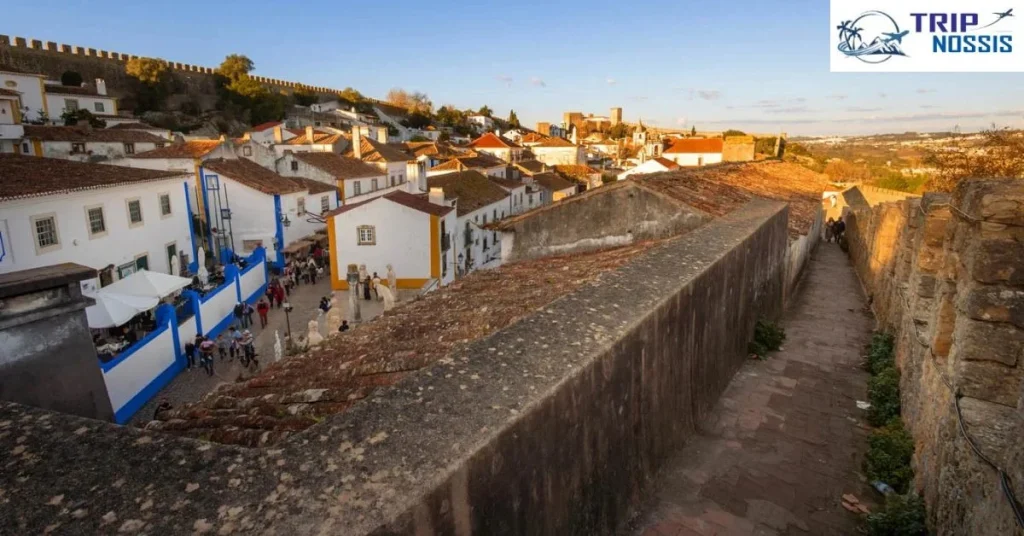
Portugal’s interior regions preserve numerous beautifully maintained medieval towns where ancient walls, castles, and traditional architecture transport visitors to earlier centuries. These destinations offer immersive historical experiences combined with authentic Portuguese culture away from coastal tourism concentrations.
Óbidos: Walled Medieval Village
Óbidos ranks among Portugal’s most picturesque and perfectly preserved medieval towns, where complete fortification walls encircle whitewashed houses with colorful trim, cobblestone streets, and a hilltop castle now operating as a luxury hotel. The town’s compact size means thorough exploration requires just a few hours, making it ideal for combination trips with nearby coastal or religious destinations.
Walking along Óbidos’ fortification walls provides the quintessential town experience, offering elevated perspectives on the terracotta rooftops, church towers, and surrounding countryside. The complete circuit extends approximately 1.5 kilometers with varying path widths and no safety railings in sections, making it unsuitable for those uncomfortable with heights or requiring accessibility accommodations. However, the views and unique perspective justify the modest physical challenges for most visitors.
Ginjinha de Óbidos, a sour cherry liqueur served in edible chocolate cups, represents the town’s signature tradition. Numerous shops along the main street offer samples and sales, making this sweet treat an almost unavoidable part of any Óbidos visit. The combination of tart cherry liqueur with dark chocolate creates surprisingly harmonious flavors that have become synonymous with the town’s identity.
The annual chocolate festival transforms Óbidos each spring into a celebration of all things cocoa, with elaborate chocolate sculptures, tastings, workshops, and demonstrations filling the medieval streets. This popular event attracts chocolate enthusiasts from across Portugal and beyond, requiring advance accommodation bookings for those planning overnight stays during the festival period.
Day Trips from Lisbon Portugal by Train
Portugal’s rail network provides comfortable, affordable, and environmentally friendly transportation to numerous day trip destinations from Lisbon. Understanding the system’s structure, booking processes, and destination options enables travelers to maximize public transportation advantages while minimizing potential confusion or complications.
Portuguese Rail Network Overview
CP (Comboios de Portugal) operates the national rail system, offering services ranging from suburban commuter lines serving Lisbon’s metropolitan area to intercity connections reaching Portugal’s major cities. The network’s structure reflects Portugal’s geographic layout, with lines radiating from Lisbon northward to Porto and beyond, eastward into the Alentejo region, and along both banks of the Tagus River.
Sintra and Cascais suburban lines represent the most frequently used services for day trippers, with trains departing every 20 minutes throughout the day from dedicated Lisbon stations. These frequent departures provide flexibility for spontaneous trips or adjusted schedules while keeping costs remarkably low, typically under €5 for round trip tickets. The trains themselves offer comfortable seating, air conditioning, and large windows for viewing passing landscapes.
Intercity and regional services connect Lisbon with more distant destinations including Coimbra, Évora, Faro, and intermediate stops throughout central and southern Portugal. These longer distance services require advance ticket purchases for best pricing, with significant savings available for booking days or weeks ahead compared to purchasing tickets on travel day. The CP website and mobile app provide straightforward booking in multiple languages, though ticket machines at major stations offer alternatives for travelers preferring in person transactions.
Advance day trip planning using trains involves checking schedules well before travel dates, particularly for destinations served by less frequent regional services where missing intended trains can disrupt entire itineraries. The CP website displays comprehensive schedules allowing travelers to plan realistic itineraries accounting for travel times, connection requirements, and last train departures for returning to Lisbon each evening.
Portugal Day Trips from Lisbon: Multi Day Context
While this guide focuses on single day excursions, many travelers appreciate understanding how day trips fit within broader Portuguese travel planning, particularly those considering extended stays or touring multiple regions.
7 Days in Portugal Road Trip from Lisbon to Porto
A 7 days in Portugal road trip from Lisbon to Porto represents a popular itinerary structure allowing comprehensive exploration of central Portugal’s highlights while moving between the country’s two largest cities. This routing naturally incorporates numerous day trip destinations covered in this guide as overnight stops or extended visits, creating opportunities to experience these locations more deeply than single day visits allow.
Optimal routing typically proceeds north from Lisbon with stops in Sintra, Óbidos, Nazaré, Batalha, and Fatima before continuing to Coimbra and eventually Porto. This progression follows logical geographic sequencing while distributing driving across multiple days rather than attempting long single day drives. The routing flexibility allows adjusting based on specific interests, with beach lovers adding more coastal stops while history enthusiasts might emphasize medieval towns and religious sites.
Rental car logistics for Portuguese road trips involve minimal complications, with numerous international and local companies operating from Lisbon airport and city locations. Portuguese highways maintain excellent conditions with clear signage, though tolls apply on most major routes. The electronic toll collection system can confuse foreign drivers, making it advisable to arrange toll payment methods with rental companies during vehicle pickup to avoid subsequent complications.
Seasonal Planning and Timing
Portugal’s Mediterranean climate creates distinct seasonal characters that significantly influence day trip planning and destination selection. Understanding these patterns helps optimize experiences while managing expectations about weather, crowds, and seasonal attractions.
Summer Coastal Escapes (June to August)
Summer brings reliably warm weather perfect for beach focused day trips, with temperatures typically ranging from 25 to 30 degrees Celsius along the coast and occasionally higher in inland regions. This season sees peak tourist traffic at all major destinations, requiring advance bookings for popular attractions, earlier morning departures to beat crowds, and patience with busy conditions at beaches and historic sites.
Coastal destinations including Cascais, Nazaré, and any Algarve explorations reach their prime during summer months when warm ocean temperatures make swimming appealing and beach facilities operate at full capacity. However, inland destinations like Sintra, Évora, and Fatima can feel uncomfortably hot during peak summer days, making early morning or late afternoon visits more pleasant than midday exploration under intense sun.
The extended summer daylight, with sunset occurring after 9:00 PM during peak months, provides flexibility for longer day trips and opportunities to enjoy destinations during magical evening light. This extended schedule proves particularly valuable for photography enthusiasts seeking golden hour lighting or romantic sunset views from coastal vantage points.
Spring Day Trip Highlights (March to May)
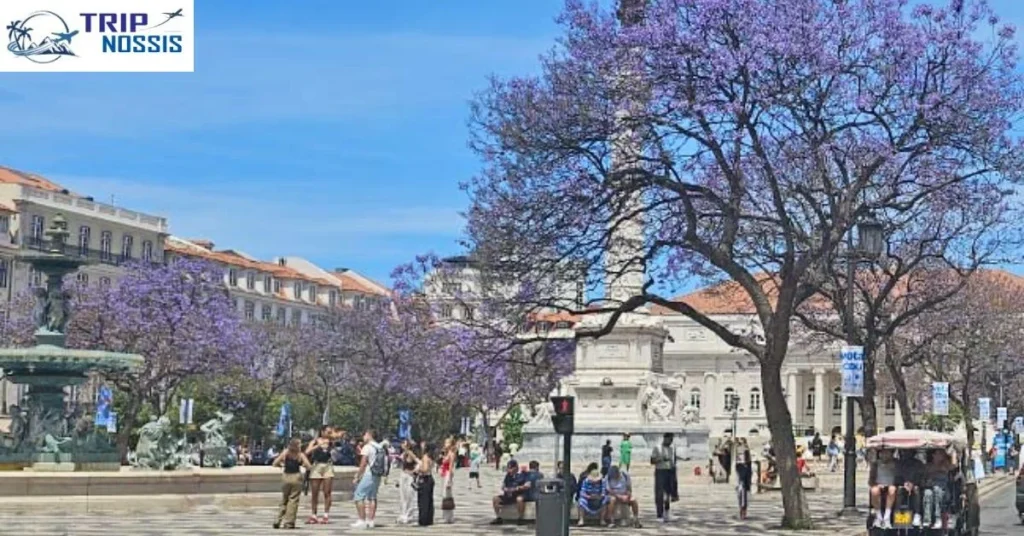
Spring emerges as many experienced travelers’ preferred season for Portuguese day trips, combining comfortable temperatures, blooming wildflowers, and reduced crowds compared to summer peaks. The countryside explodes with color during these months as winter rains give way to sunshine, creating photogenic landscapes throughout rural regions.
Easter celebrations bring special significance to Fatima visits, with religious processions and enhanced services attracting devoted pilgrims but also creating more crowded conditions than typical spring visits. These cultural expressions provide fascinating insights into Portuguese Catholic traditions for those interested in religious culture, though visitors seeking quiet contemplation might prefer avoiding major religious holidays.
Wine regions including Setúbal and Alentejo areas begin their growing season during spring, with bright green vineyards creating beautiful pastoral scenes quite different from late summer and autumn’s golden harvest colors. While wine tasting remains available year round, spring visits offer unique perspectives on viticulture and opportunities to observe dormant vines awakening to new growth.
Budget Planning and Cost Management
Understanding typical costs associated with Portugal day trips from Lisbon enables realistic budgeting and identifies opportunities for maximizing experiences while managing expenditures.
Transportation Budget Breakdown
Train transportation costs vary dramatically depending on destination and service type, with suburban services to Sintra and Cascais costing approximately €2 to €3 each way, while intercity services to distant cities like Coimbra or Faro range from €20 to €40 for advance purchase tickets. These moderate costs make train travel exceptionally economical for independent travelers, particularly when compared to private tour costs or rental car expenses including fuel and tolls.
Organized day tours typically range from €50 to €100 per person depending on destination, group size, and inclusions. These packages generally include round trip transportation, guide services, and sometimes entrance fees or meals, creating convenience that justifies higher costs for travelers valuing structured experiences over independent exploration. Small group tours command premium pricing but offer more intimate experiences and flexible itineraries compared to large bus tours.
Dining Cost Strategies
Portuguese restaurants offer exceptional value compared to most Western European destinations, with traditional establishments serving multi course lunch menus (menu do dia) for €8 to €12 including soup, main course, dessert, drink, and coffee. These fixed price lunches represent outstanding opportunities for sampling regional cuisine while managing budgets, though menus typically feature traditional Portuguese fare rather than contemporary or international options.
Picnic planning creates both economic and experiential benefits, allowing travelers to assemble meals from local markets, bakeries, and specialty food shops while enjoying outdoor dining in scenic locations. Portuguese bakeries offer incredible variety at modest prices, from traditional pastries to savory snacks perfect for portable meals. Supermarkets provide additional options including prepared foods, fresh fruit, and beverages at prices far below restaurant charges.
Practical Travel Information
Successfully navigating Portugal requires understanding basic practical matters from language and currency to safety and communication.
Essential Portuguese Phrases
While English proficiency has increased significantly in Portuguese tourist areas, learning basic Portuguese phrases demonstrates respect and often enhances local interactions. Essential expressions include greetings like “bom dia” (good morning), “obrigado/obrigada” (thank you, masculine/feminine), and “por favor” (please). Transport related vocabulary includes “bilhete” (ticket), “estação” (station), and “comboio” (train), while restaurant basics include “conta” (bill) and “água” (water).
Most Portuguese people appreciate efforts to speak their language even when grammar or pronunciation falls short of fluency. Unlike some destinations where locals immediately switch to English upon detecting accents, Portuguese speakers often patiently work through language barriers, creating opportunities for meaningful cross cultural communication beyond tourist transaction efficiency.
Currency and Payment Methods
Portugal adopted the Euro as its currency, eliminating the exchange complications travelers faced with the former Portuguese Escudo. Credit and debit cards see wide acceptance in cities and tourist areas, though smaller establishments in rural regions sometimes prefer or require cash. ATMs appear frequently in all but the most remote areas, offering reasonable exchange rates compared to airport or hotel currency exchange services.
Tipping customs in Portugal remain more modest than in some Western countries, with 5 to 10 percent considered generous in restaurants for good service. Many Portuguese simply round up bills or leave small change rather than calculating specific percentages. Taxi drivers and tour guides appreciate tips for excellent service, though expectations remain modest compared to cultures with stronger tipping traditions.
Conclusion: Maximizing Your Lisbon Day Trip Adventures
Day trips from Lisbon Portugal unlock extraordinary diversity within comfortable travel distances, revealing why Portugal captivates travelers seeking authentic culture, stunning landscapes, and rich history without the overwhelming crowds and costs affecting some European destinations. From Sintra’s romantic palaces to Fatima’s spiritual significance, from medieval Óbidos to coastal Cascais, these carefully selected destinations showcase Portugal’s remarkable heritage and natural beauty.
The key to successful day trip experiences lies in balancing ambitious exploration with realistic time management, allowing sufficient hours at destinations while avoiding exhausting schedules that diminish enjoyment. Early morning departures maximize destination time while providing opportunities to experience major attractions before peak crowds arrive. This discipline transforms potentially stressful logistics into comfortable rhythms supporting meaningful engagement rather than rushed checkbox tourism.
Portugal’s compact geography, excellent transportation infrastructure, and year round pleasant climate create ideal conditions for day trip adventures that feel substantial rather than merely sampling destinations from a distance. These excursions complement Lisbon’s urban attractions while providing essential context for understanding Portuguese culture, history, and identity beyond the capital’s cosmopolitan energy. Whether planning a single perfect day trip or multiple explorations throughout an extended stay, these destinations promise memories and experiences that endure long after returning home.
Frequently Asked Questions
What are the best day trips from Lisbon?
The best day trips from Lisbon include Sintra for fairytale palaces, Cascais for coastal beaches, Fatima for spiritual pilgrimage, Óbidos for medieval charm, and Cabo da Roca for dramatic Atlantic cliffs at Europe’s westernmost point. Other exceptional options include Évora’s Roman heritage, Aveiro’s colorful canals, and Nazaré for traditional fishing culture.
What is the best way to travel from Lisbon?
The best way to travel from Lisbon depends on your destination, with trains offering comfortable, affordable transport to Sintra and Cascais (40 minutes each), while express buses serve distant locations like Fatima. Organized tours eliminate logistics concerns, though rental cars provide complete flexibility for multiple stops and spontaneous exploration.
How to get from Lisbon to Porto?
Getting from Lisbon to Porto takes 2.5 to 3 hours via high speed CP trains, with frequent departures from Lisboa Santa Apolónia or Oriente stations. Alternatively, travelers can drive with stops at Óbidos, Nazaré, Batalha, Fatima, and Coimbra along the route.
What is the number one day trip from Lisbon?
The number one day trip from Lisbon is Sintra, just 40 minutes by train, featuring UNESCO World Heritage sites including colorful Pena Palace, mysterious Quinta da Regaleira gardens, and Moorish Castle ruins. Its convenient proximity, extraordinary Romantic architecture, and diverse attractions make it the most popular excursion from Portugal’s capital.
What is the cheapest way to day trip from Lisbon?
The cheapest way to day trip from Lisbon uses suburban trains to Sintra and Cascais (€2 to €3 each way), combined with picnic lunches from local markets instead of restaurants. Walking or using inexpensive local buses, visiting free attractions like beaches and historic centers, and traveling off peak season further reduces costs.
If you have a pet you can use our Pet Friendly Road Trip Planner to plan your trip